Where your money goes when you don't check the licence
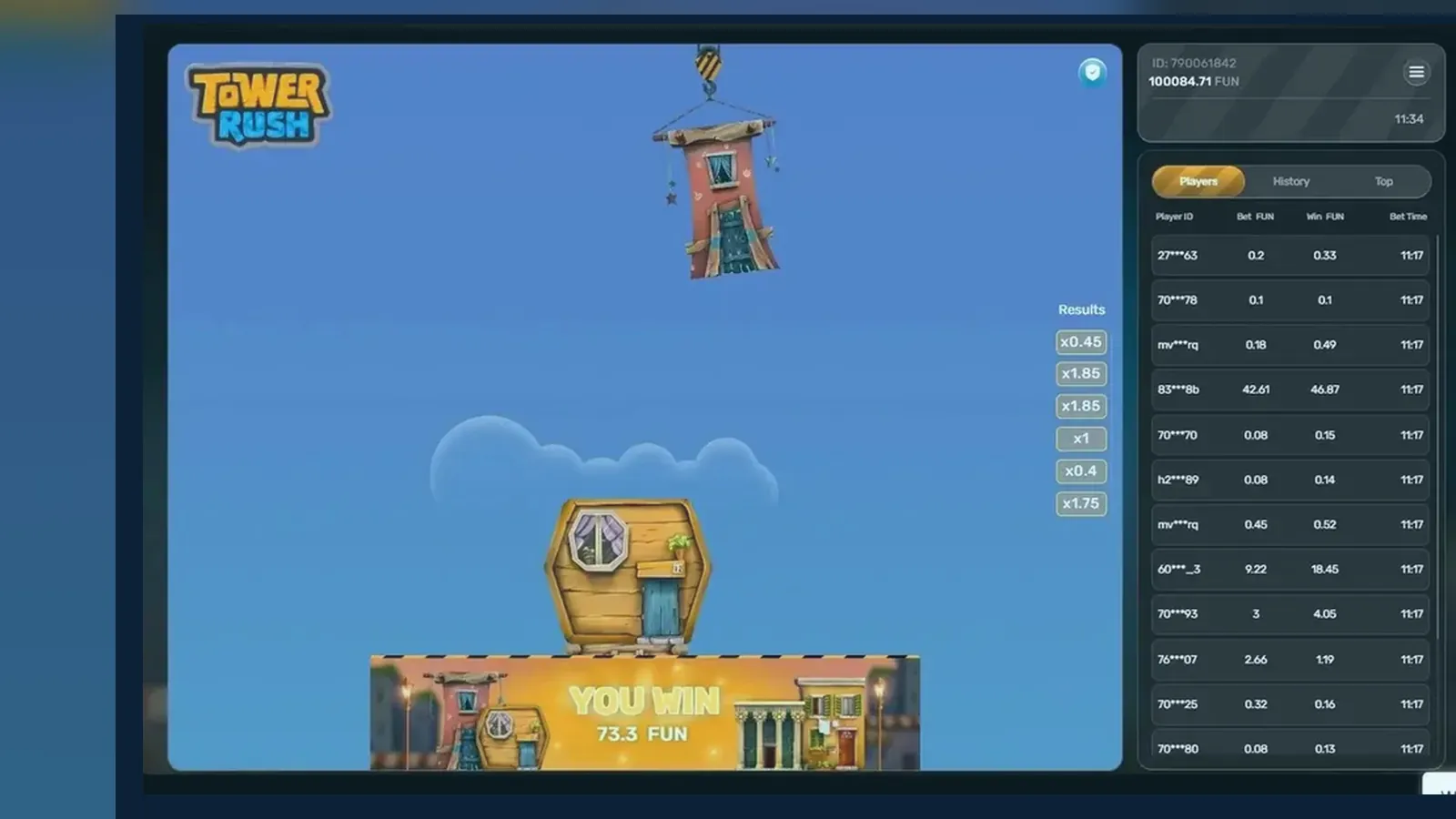
Is Tower Rush official or fake? That question costs British players thousands every month — not because the game itself is a scam, but because «official» gets misunderstood. There is no single Tower Rush dot-com owned by the studio. The game appears on dozens of UKGC-licensed casinos, each holding its own remote gambling licence and operating under different commercial terms. Official means two things here: the build comes from the provider's certified RNG server, and the site serving it holds a valid UK Gambling Commission licence you can look up in 60 seconds.
The real expense is not the game maths — it is deposit fees on unlicensed clones, KYC delays when you have not read the small print, and chargebacks that blacklist your debit card. This guide walks through licence verification, login requirements, the app question, complaint paths when something breaks, and the red flags that signal a site will vanish with your balance. Every fact here maps to the UKGC register, the Gambling Act 2005, and the April 2026 Remote Gaming Duty raise to 40 per cent. If a site does not appear in the register or asks for a credit card — banned since 2020 — you are not playing the official build.
What official actually means (and what it costs the operator)
Official Tower Rush is a certified game build delivered from the provider's platform under an API integration contract. The provider — typically Spribe, BGaming, or a studio in the crash-game space — holds a testing-lab certificate (GLI-19, iTech Labs, or BMM) that proves the RNG meets statistical standards. The operator pays an integration fee, monthly platform rent, and a revenue share, then wraps the game in its own cashier, bonus engine, and CRM. The UKGC licence that sits in the footer cost that operator six figures in application fees, compliance software, and ongoing audit bills.
Because the game is licensed to multiple casinos, there is no single official website of Tower Rush. You will find the same 1.00× to 10,000× multiplier range and 97–99 per cent RTP on every UKGC site, but deposit methods, withdrawal times, wagering requirements, and affordability-check thresholds differ. One casino might cap your stake at £5.00 per round under the UKGC slot rules; another might classify Tower Rush as a table game and let you bet higher — until an affordability trigger at £150 net deposits a month pulls you into source-of-funds questioning.
The provider does not see your deposit or handle your withdrawal — the casino does. That split is why complaint escalation goes to the operator first, then the UKGC if unresolved. Official status guarantees the maths is fair and the game will not rig a session, but it does not guarantee the casino will pay you quickly, waive wagering on a bonus, or respond to live chat in under an hour.
60-second licence check that saves your deposit
Every UKGC-licensed operator must display its licence number in the footer — usually a six-digit code like 123456. The register at the Gambling Commission website is public and updates daily with licence status, conditions, and sanctions. Checking takes one minute and costs nothing; skipping it can lock your money on a clone site with no legal recourse.
- Scroll to the footer of the casino site and note the UKGC licence number and the legal entity name — they rarely match the brand you see in marketing.
- Go to the UKGC public register and paste the licence number into the search box, or search by the company name if the number is missing.
- Confirm the status reads «Active» and the licence type is «Remote» — land-based or software-only licences do not cover online casino play.
- Check the «Licensed activities» tab: it should list Remote Casino or Remote Betting; if Tower Rush appears under poker or bingo only, the operator is breaching its licence scope.
- Look at the «Key events» tab for suspensions, fines, or conditions — a £2 million penalty in the past year is a red flag for weak controls.
- Match the registered address and entity name to the «About Us» or «Terms» page on the casino; if they differ wildly, the site may be cloning a real licence number from another operator.
This check does not appear in marketing guides because it kills the funnel — most players who verify a licence realise the site has no live chat, a £50.00 minimum withdrawal, or five-day pending times, and they leave. That friction is the point: it filters out operators who treat the UKGC licence as wallpaper. If the licence is active and the company name matches, you are looking at the official game build served under a legal contract. If the footer says «Curaçao licence 8048/JAZ» or skips the number entirely, you are on a clone site marketing to British players in breach of the Gambling Act.
Login mechanics and why KYC drags out the first cashout
Tower Rush does not have its own account system — you log into the casino, and the game session inherits your balance, currency, and responsible-gambling limits. Registration requires an email, password, and date of birth; most UKGC sites now run instant age verification against the electoral roll or credit-reference data at sign-up, so if you are under 18 or your postcode does not match your bank details, the account will not open.
Deposits clear in seconds via debit card (Visa or Mastercard only — credit cards have been banned for gambling since 2020), PayPal, Apple Pay, or Open Banking through Trustly. The catch is the first withdrawal: even if you have verified your age at registration, the operator must collect proof-of-address documents and sometimes a selfie with your ID before releasing funds. That KYC queue runs 24 to 48 hours on weekdays, longer if you submit a gas bill in the wrong name or a bank statement older than three months.
- Debit card — Visa or Mastercard issued in your own name; the operator will match the card number to your account name and block mismatches.
- PayPal — must be linked to a UK bank account and verified; some casinos exclude it from bonus eligibility to avoid bonus abuse through multiple accounts.
- Apple Pay — treated as a debit card under the hood; same own-name rule applies.
- Open Banking / Trustly — direct bank transfer that skips card networks; usually the fastest for withdrawals, clearing same day to two working days via Faster Payments.
- Paysafecard — prepaid voucher for deposits only; withdrawals must go to a bank account or e-wallet you have verified.
If you deposit £150.00 or more in a month — net, not gross turnover — the affordability-check clock starts. Stage one pulls data from Experian or Equifax to estimate income and debt; stage two asks for payslips and bank statements if the algorithm flags you. This is not the casino being difficult — it is a UKGC licence condition since the April 2023 rules tightened. A £10.00 deposit player will not hit the threshold, but two £100.00 deposits in a week will, and the account may freeze mid-session until you upload documents.
The app myth and why you are playing in a browser
There is no official Tower Rush app on Google Play or the App Store that opens the game in standalone mode with your own login. The game is HTML5 and WebGL, designed to run in a mobile browser or inside a casino app that wraps dozens of titles. A few UKGC operators publish casino apps that include Tower Rush in the lobby — those apps are legal, and you can download them from the UK store once the operator verifies your age through the app's sign-up flow.
What you will find outside the official stores: APK files on third-party download sites, branded «Tower Rush Official App» or «Tower Rush Hack APK», often carrying adware or credential stealers. Android allows sideloading, so the APK installs without Google's vetting, but it is not the provider's build — it is either a repackaged web view pointing to an unlicensed casino or a phishing skin. If you installed an APK from a forum or Telegram link, uninstall it, change your passwords, and run a malware scan.
Some players ask why the provider does not publish a standalone app. The answer is commercial: the studio licenses the game to casinos, not to end users, so there is no direct-to-consumer product. The studio earns revenue share from operator integrations, and a standalone app would compete with its own B2B clients. This is standard in the slots and crash-game world — NetEnt does not have a Starburst app, and Pragmatic Play does not publish a Gates of Olympus app. You play the official build by choosing a licensed operator, not by downloading software from the provider.
When it breaks: complaint escalation and what the UKGC actually does
If a withdrawal does not arrive after five working days, a bonus vanishes from your balance without explanation, or the game freezes mid-round and the bet does not refund, the first step is the operator's complaints mailbox or live chat. UKGC licence condition 15.1.1 requires a formal complaints procedure published in the footer, usually titled «Complaints» or «Dispute Resolution». You send a written complaint — email or ticket — and the operator has eight weeks to respond with a resolution or reject it with reasons.
If the operator ignores you, rejects the complaint without valid grounds, or offers a settlement you consider unfair, escalate to IBAS or eCOGRA — the alternative dispute resolution (ADR) bodies the UKGC recognises. The operator's terms will name which ADR it uses; you lodge a case on that body's website within six months of the operator's final response. The ADR decision is binding on the operator but not on you — if you lose, you can still go to court, though legal costs will eclipse most disputes under £10,000.
- Email the operator's complaints address from your registered email, state the issue (transaction ID, date, amount), and request a resolution or refund.
- Keep screenshots of the frozen game round, the balance before and after, and any live-chat transcripts — the ADR will ask for evidence.
- Wait eight weeks; if no reply or the reply is a brush-off, note the date and check the operator's terms for the named ADR body.
- Submit your case to IBAS or eCOGRA with your evidence and the operator's response; the ADR will contact the operator for their side and issue a decision in 6–12 weeks.
- If the ADR sides with you and the operator still does not pay, report the breach to the UKGC using the «Tell us about an operator» form; the Commission can impose fines or suspend the licence.
- For amounts over £10,000 or if you need immediate legal action, consult a solicitor; the small-claims track in England and Wales goes up to £10,000 and does not require a lawyer.
The UKGC does not handle individual complaints directly — it regulates operators, not arbitrates player disputes. But if an operator racks up unresolved ADR cases or ignores a binding decision, the Commission opens a compliance review. Public sanctions are posted in the register under «Key events»; a £500,000 fine for systemic payment failures will show up there. That register check from section two is also your early-warning system: if the operator has three penalties in two years, expect slow support and tougher cashout conditions.
Red flags, clones, and what official status does NOT cover
Official Tower Rush on a licensed site guarantees the RNG is tested and the multiplier curve is not rigged. It does not guarantee fast withdrawals, low wagering, or that the casino will not go insolvent. Licensed operators have folded mid-operation — customers get added to the creditor list, and withdrawals freeze while administrators sort assets. The UKGC does not run a compensation fund for failed casinos; that risk sits with you.
| Red flag | What it signals |
|---|---|
| No UKGC licence number in footer | Unlicensed clone; no legal recourse if withdrawal blocked |
| Asks for credit card or crypto | Breach of 2020 credit-card ban or operating offshore |
| Bonus wagering above 50× | Unregistrable under UKGC fairness rules; likely clone |
| Login requires mobile number only | Weak KYC; operator may not run age checks |
| Withdrawal pending over 5 days | Payment-provider issues or insolvency; escalate to ADR |
| Live chat offline or bot-only | Understaffed operation; complaints take weeks |
Clones copy the Tower Rush interface but run their own RNG or server-side multiplier script. Because the provider's API is access-controlled, clones cannot pull the real game; they rebuild the front end and fake the physics. These clones land outside the UKGC's jurisdiction — hosted in Curaçao, Costa Rica, or no clear legal base — and marketed through affiliate spam and APK download sites. The tells: no licence footer, crypto-only payments, bonuses that sound impossible (500 per cent deposit match with 10× wagering), and «Provably Fair» claims without a testing-lab certificate.
Even on a licensed site, official status does not shield you from responsible-gambling friction. If you deposit £500.00 in a week, expect a phone call or an account lock until you prove affordability. The £5.00 stake cap applies per spin if Tower Rush is classified as a slot; some operators class it as a table game and allow higher bets, but that loophole is shrinking under UKGC pressure. The 18–24 age band faces a £2.00 cap regardless of classification. If you are in that band and the site lets you bet £10.00, the operator is breaching its licence and will face a fine when the UKGC audits session logs.
Official Tower Rush is a fair game on a licensed platform, verified in 60 seconds via the UKGC register. The rest — withdrawal speed, bonus quality, support responsiveness — is operator variance, and that variance costs you time and sometimes money. Check the licence, keep documents ready for KYC, and know the complaint path before you deposit. That prep is cheaper than a chargeback fee or a frozen balance.
FAQ
Can I play Tower Rush on a site without a UKGC licence?
Legally, no. Operating or marketing unlicensed gambling to British players is a criminal offence under the Gambling Act 2005, and your bank or card issuer can block payments to offshore sites. Practically, unlicensed clones are accessible but offer no legal recourse if they refuse withdrawal — no ADR, no regulator, no chargeback rights for gambling transactions. The deposit is gone if the site vanishes.
Why does the first withdrawal take five days when deposits are instant?
Deposits clear fast because the operator has your money. Withdrawals trigger KYC — the casino must verify your ID and address documents to comply with anti-money-laundering rules, and that queue runs 24 to 48 hours. Add Faster Payments processing (same day to two working days) and the total is typically three to five working days. Subsequent withdrawals are faster once KYC is done, unless you change payment method or hit an affordability trigger.
Is there an official Tower Rush app I can download?
No standalone app exists. The game is HTML5, runs in a browser, and appears inside casino apps published by UKGC-licensed operators. Any «Tower Rush Official APK» outside Google Play or the App Store is either a repackaged web view pointing to an unlicensed casino or adware. Download a licensed casino's app from the official store, or use the mobile-web version and add it to your home screen.
What happens if the casino goes bust while I have a balance?
You join the creditor list in administration. The UKGC does not run a compensation scheme for failed operators, and player balances rank behind secured creditors. Withdrawals freeze, and recovery can take months or result in partial payout. Licensed operators must segregate player funds from operational cash, but insolvency often reveals that rule was breached. Check the register for financial penalties before depositing large sums.
Can I bypass the £150 affordability check?
No legitimate route exists. The £150 net-deposit threshold is a UKGC licence condition; every operator must screen for it using credit-reference data, and refusing to provide documents will lock your account. Splitting deposits across multiple casinos or payment methods may delay the trigger, but operators cross-check against GAMSTOP exclusions and fraud databases, and unusual patterns flag for manual review. The check is permanent, not a one-time hurdle.